Common Signs You May Need Surgical Orthodontic Treatment
Danville surgical orthodontic treatment can sound intimidating at first, especially if you have only heard about braces, clear aligners, or retainers. In many cases, orthodontic care can guide teeth into better positions without surgery. However, when the upper and lower jaws do not fit together correctly, the issue may involve more than tooth alignment. A jaw imbalance can affect chewing, speaking, breathing comfort, facial balance, and long-term bite stability.
At Danville Orthodontics, Dr. Hoss Abar, DDS, MSD, helps patients understand whether their concerns are simple alignment problems or signs of a more complex jaw relationship that needs careful evaluation.
Surgical orthodontics, also called orthognathic surgery, is generally considered when braces or aligners alone cannot fully correct the way the jaws meet. Many patients begin asking questions after years of jaw strain, uneven tooth wear, bite discomfort, or frustration that their smile still does not feel balanced. Understanding these signs early can help you make informed decisions before small functional problems become daily sources of pain, stress, or reduced confidence.
When Bite Problems Go Beyond Crooked Teeth
Not every uneven smile needs surgical orthodontics. Many spacing, crowding, and mild bite concerns respond well to traditional braces or Invisalign aligners. The concern becomes more complex when the teeth are compensating for a jaw position problem. For example, the teeth may appear tilted, worn, or unable to meet comfortably because the upper jaw, lower jaw, or both are not positioned in harmony.
Common Signs Worth an Orthodontic Evaluation
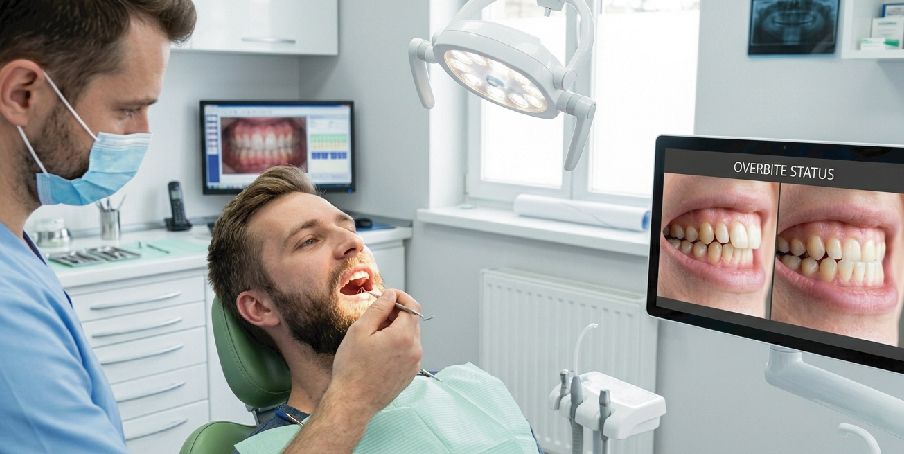
You may want to schedule an orthodontic evaluation if your bite affects normal daily function. Common signs include trouble biting into food, chewing mostly on one side, jaw tiredness after meals, speech difficulty, an open bite, a noticeable underbite or overbite, or facial imbalance from the front or side. These symptoms do not automatically mean surgery is needed, but they do suggest your bite should be evaluated carefully. Contact your dentist today in Danville, Dr. Hoss Abar, at Danville Orthodontics, to learn more about Common Signs You May Need Surgical Orthodontic Treatment.
Functional Issues Patients Often Notice First
Many patients first notice surgical orthodontic concerns during normal routines, not in a dental chair. Eating may feel inefficient because the front teeth do not touch, the back teeth hit too soon, or one side of the mouth feels overloaded. Some patients avoid certain foods because biting feels awkward. Others experience jaw clicking, tightness, headaches, or tooth wear caused by an unstable bite. In some cases, the lips may not meet comfortably without strain, or the chin may look recessed or prominent.
These changes can affect self-confidence, but the bigger issue is function. Surgical orthodontics is considered when jaw structure prevents a stable bite, comfortable jaw movement, or balanced facial support. A thorough orthodontic exam, digital imaging, bite analysis, and collaboration with an oral and maxillofacial surgeon may help determine whether advanced treatment planning is appropriate.
Why Braces Alone May Not Be Enough
Braces and aligners move teeth. They are powerful tools, but they cannot fully reposition a jawbone that has grown too far forward, too far back, too narrow, or unevenly. When teeth are moved without addressing a major jaw discrepancy, the result may look better but still feel unstable. This is why surgical orthodontic planning focuses on both tooth alignment and jaw relationship. The goal is not simply a straighter smile; it is a bite that works comfortably and predictably.
At Danville Orthodontics, the surgical orthodontics process is explained in stages so patients know what to expect. Orthodontic treatment may prepare the teeth first, the oral surgeon may reposition the jaw when appropriate, and final orthodontic adjustments may refine the bite afterward.
What Your Orthodontist May Review
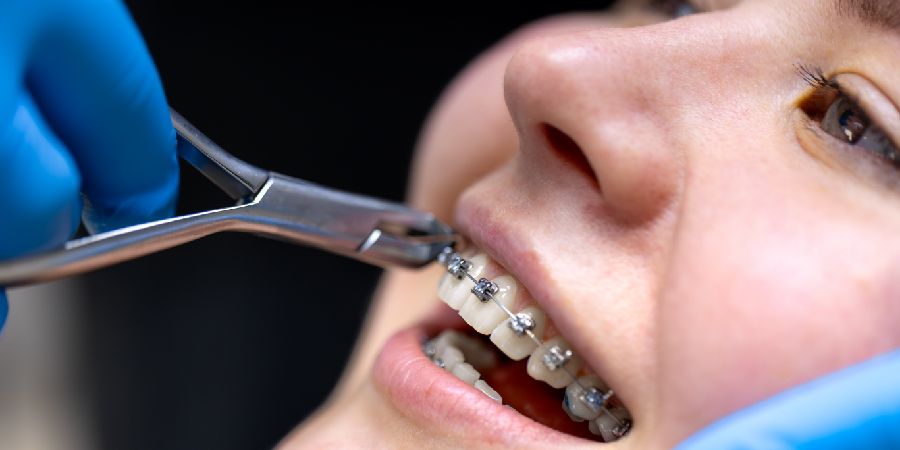
A proper evaluation looks at more than one symptom. Your orthodontist may review:
- Digital scans, X-rays, facial profile, and bite relationship.
- Jaw growth, facial symmetry, tooth wear, and TMJ symptoms.
- Whether braces, Invisalign, or surgical orthodontics may fit the case.
- Your comfort, goals, health history, and daily functional concerns.
This step matters because treatment should be personalized. Two patients can have similar-looking smiles but very different jaw relationships. One may need aligners, another may need braces, and another may need a coordinated surgical orthodontic plan. The right path starts with diagnosis, not assumptions. Contact your dentist today in Danville, Dr. Hoss Abar, at Danville Orthodontics, to learn more about Common Signs You May Need Surgical Orthodontic Treatment.
Conclusion
Surgical orthodontics in Danville is not something every patient needs, but it can be important when the real problem involves jaw position rather than simple tooth movement. Signs such as difficulty chewing, an open bite, severe overbite or underbite, facial imbalance, jaw fatigue, TMJ strain, speech concerns, or orthodontic results that never feel stable are worth discussing with a qualified orthodontist. The safest next step is an individualized evaluation, clear imaging, and a patient-friendly explanation of your options.
Contact your Orthodontists in Danville, Dr. Hoss Abar, at Danville Orthodontics today to learn more about Common Signs You May Need Surgical Orthodontic Treatment.
Resource:
Can Stress and Anxiety Make TMJ Worse?
Neither this nor any other content in this media is meant to prescribe, recommend, or prevent any treatment or procedure. We highly suggest that you get the advice of a qualified dentist or other medical practitioners regarding your specific dental condition.
Related Articles

Surgical Dentistry
Benefits and Limitations of Surgical Orthodontic Treatment
Learn the benefits and limitations of surgical orthodontic treatment, including jaw alignment, bite function, facial balance, and treatment planning.

Surgical Dentistry
Surgical Orthodontics Process: Step-by-Step Treatment Guide
Learn the step-by-step surgical orthodontics process in Danville, from consultation and braces preparation to jaw surgery, recovery, and final bite adjustments.

Surgical Dentistry
Surgical Orthodontics vs Traditional Braces Treatment
Compare surgical orthodontics and traditional braces treatment in Danville. Learn when braces may be enough and when jaw correction may be needed.