Surgical Orthodontics vs Traditional Braces Treatment
Danville surgical orthodontics is often recommended when a patient’s bite problem involves the jaw structure, not just the position of the teeth. Traditional braces are excellent for correcting crowding, spacing, rotated teeth, and many bite concerns. However, braces cannot fully reposition the upper or lower jaw when the bones have developed out of balance. This is why some patients may need a more advanced treatment plan that combines orthodontics with jaw surgery. At Danville Orthodontics, Dr. Hoss Abar, DDS, MSD, helps patients understand whether their concern can be treated with braces alone or if surgical orthodontics should be considered.
Many patients feel confused when they hear the words “surgical orthodontics” because they assume all orthodontic treatment works the same way. The main difference is that traditional braces move teeth, while surgical orthodontics addresses more complex jaw alignment problems. Both treatments can improve a smile, but their purpose is not exactly the same. Braces focus on tooth position. Surgical orthodontics focuses on how the jaws fit together when tooth movement alone cannot create a stable bite. Understanding the difference can help patients make informed decisions about comfort, function, facial balance, and long-term orthodontic results.
Understanding Surgical Orthodontics and Traditional Braces
Surgical orthodontics and traditional braces are both used to improve bite alignment, but they solve different types of orthodontic problems. Traditional braces mainly correct the position of the teeth. Surgical orthodontics is considered when the issue involves the position, size, or relationship of the jaws. This distinction is important because a bite problem can look dental on the surface while the real cause may be skeletal.
What Is Surgical Orthodontics?
Surgical orthodontics, also called orthognathic surgery, is a treatment approach used for significant jaw alignment concerns. It may be recommended when the upper jaw, lower jaw, or both do not meet properly. This can affect chewing, speech, facial balance, breathing comfort, and long-term bite stability.
In most cases, surgical orthodontics is not a stand-alone treatment. It is usually coordinated between an orthodontist and an oral and maxillofacial surgeon. Braces or aligners may be used before surgery to prepare the teeth, and again after surgery to refine the final bite.
What Are Traditional Braces?
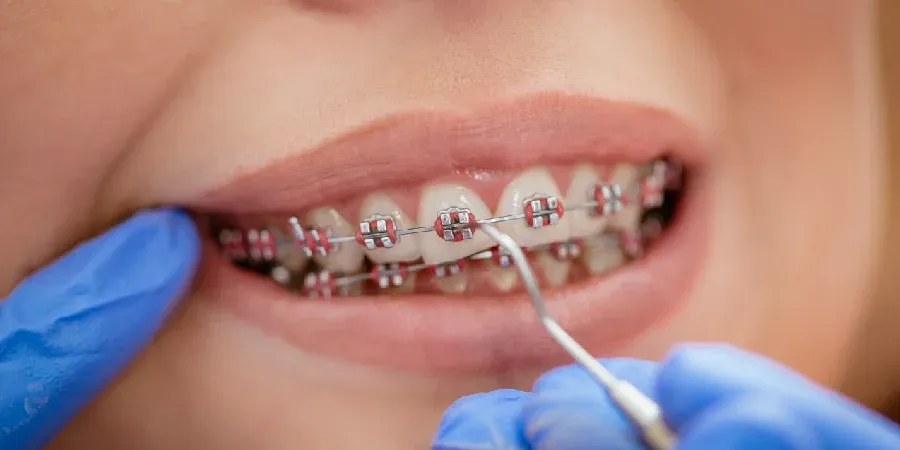
Traditional braces use brackets, wires, and gentle controlled pressure to move teeth into better positions over time. They are commonly used to treat crowded teeth, spacing, rotated teeth, mild to moderate bite issues, and general smile alignment concerns. For many patients, braces are enough to create a straighter smile and a more stable bite.
Braces work best when the main issue is dental, meaning the jaws are already reasonably aligned and the teeth need correction within the existing jaw structure. They are often recommended for children, teens, and adults who need predictable tooth movement without jaw surgery.
When Surgical Orthodontics May Be Needed
Surgical orthodontics may be considered when the upper and lower jaws do not line up properly. This may happen when the lower jaw sits too far forward, the upper jaw sits too far back, the bite remains open, or the face looks noticeably unbalanced from the side or front. These concerns may affect chewing, speaking, breathing comfort, jaw strain, and tooth wear.
Key Differences Between Both Treatments
The biggest difference between traditional braces and surgical orthodontics is what each treatment is designed to correct. Braces are used to guide teeth into better positions within the jaw. Surgical orthodontics is used when the jawbones themselves may need repositioning for improved function and balance. In many surgical orthodontic cases, braces are still part of the plan because the teeth must be aligned before and after jaw surgery.
Traditional braces are usually recommended for dental alignment problems. These include crooked teeth, rotated teeth, crowding, spacing, and bite problems that can be corrected through tooth movement. Surgical orthodontics is usually discussed when the bite problem is skeletal, meaning it comes from the shape, size, or position of the jaws.
Patients may notice signs such as difficulty biting into food, chewing mostly on one side, jaw fatigue, speech difficulty, uneven tooth wear, facial imbalance, or a bite that never feels stable. These symptoms do not automatically mean surgery is needed, but they do suggest that a complete orthodontic evaluation is important.
“Surgical orthodontics corrects jaw irregularities to improve a patient’s ability to chew, speak, and breathe.”

Braces Move Teeth, Surgery Moves Jaws
Braces can create meaningful changes, but they cannot change the position of a fully developed jawbone. For example, if the lower jaw has grown too far forward, braces may improve tooth alignment, but they may not fully correct the skeletal underbite. Similarly, if the upper and lower teeth do not touch because of an open bite caused by jaw position, braces alone may not provide a stable long-term correction. In these cases, surgical orthodontics may be part of a more complete treatment plan.
A surgical orthodontic plan often happens in stages. First, orthodontic treatment may prepare the teeth so they fit together properly after surgery. Then, an oral and maxillofacial surgeon may reposition the jaw when appropriate. After healing, orthodontic finishing may refine the bite. You can learn more about this service on the Danville Orthodontics page for Surgical Orthodontics. This type of coordinated care is designed to improve both function and facial harmony.
Which Treatment Fits Your Needs
| Evaluation Area | What Your Orthodontist Assesses | Why It Matters |
| Teeth Alignment | Tooth crowding, spacing, and overall bite position | Determines whether the issue can be corrected with braces or clear aligners alone. |
| Jaw Relationship | Position of the upper and lower jaws, facial balance, and jaw alignment | Identifies whether the bite problem is skeletal and if surgical orthodontics should be considered. |
| Diagnostic Imaging | Digital X-rays, 3D scans, profile analysis, jaw growth, and bite stability | Provides a complete view of the teeth, jaws, and facial structure for accurate treatment planning. |
| Functional Concerns | Chewing difficulty, jaw strain, speech issues, breathing concerns, and uneven tooth wear | Helps determine how jaw alignment affects everyday function and long-term oral health. |
| Treatment Recommendation | Whether traditional braces, Invisalign, or surgical orthodontics is the most appropriate solution | Ensures the treatment addresses the underlying cause rather than only improving the appearance of the smile. |
Common Patient Frustrations
Patients often seek orthodontic advice after dealing with daily bite problems for years. Some feel embarrassed by a jaw that looks too prominent or too recessed. Others feel frustrated because chewing is uncomfortable, their teeth do not meet evenly, or previous orthodontic treatment did not fully solve the issue. These concerns can affect confidence, but they can also affect oral health.
When the bite is unstable, certain teeth may take more pressure than others. This can lead to tooth wear, jaw muscle strain, gum stress, and long-term discomfort. Traditional braces may help when the issue is dental. Surgical orthodontics may be considered when the issue is skeletal. A professional evaluation helps separate appearance-related concerns from functional problems that may need more advanced planning.
Conclusion
Surgical orthodontics in Danville and traditional braces treatment both play important roles in creating healthier, more balanced smiles. Braces are often the right choice when teeth need to be straightened, or bite problems can be corrected through tooth movement. Surgical orthodontics may be considered when the jaw relationship prevents a stable bite, comfortable chewing, clear speech, or balanced facial support. The best way to understand your options is through a detailed orthodontic evaluation with imaging, bite analysis, and a clear explanation of your needs.
Contact your Orthodontics in Danville, Dr. Hoss Abar, at Danville Orthodontics today to learn more about Surgical Orthodontics vs Traditional Braces Treatment.
Resource
Related Articles

Surgical Dentistry
Surgical Orthodontics Process: Step-by-Step Treatment Guide
Learn the step-by-step surgical orthodontics process in Danville, from consultation and braces preparation to jaw surgery, recovery, and final bite adjustments.
Surgical Dentistry
Beyond Braces: How Surgical Orthodontics Can Transform Your Smile?
Surgical orthodontics is a highly effective option if you have severe malocclusion or skeletal abnormalities. The benefits of surgical orthodontics include improved oral function, enhanced facial aesthetics, and increased self-confidence.

Surgical Dentistry
Preparing for Jaw Surgery: Surgical Orthodontics Checklist
Prepare for jaw surgery with a clear surgical orthodontics checklist. Learn what to discuss before orthognathic surgery, from records to recovery planning.