
Can Stress and Anxiety Make TMJ Worse?
Understanding the Link Between Stress and TMJ
The consequences of stress are much more than mental exhaustion to many individuals. Permanent stress may affect the physical health such as the temporomandibular (TMJ), the joint connecting the jaw bone to your skull. TMJ disorders may lead to pain, clicking of the jaw, and pain in taking food and a patient may tend to pose the question: is stress a cause of TMJ? Knowledge of this relationship will make patients aware of triggers and consult a professional.
Anxiety and stress may lead to stress clenching or muscle contraction that raises the symptoms of TMJ. Dental specialists and orthodontists in Danville, California, regularly encounter patients experiencing anxiety jaw pain, attributing mental wellbeing to the operation of the jaw. The relationship between TMJ and mental health can be identified, proactive management and care can be done.
How Stress Impacts Jaw Function
Stress triggers the fight-or-flight response of the body by secretion of stress hormones such as cortisol. Higher cortisol may lead to higher muscle tension, especially in the jaw and neck. This may worsen TMJ pain and produce recurring pain conditions.
Constant stress can also cause bruxism, or automatic grinding of teeth, which further pushes the temporomandibular joint. The symptoms of stress in patients with TMJ often include stiffness of the jaw, headaches, and sensitivity, which highlights the role of stress management in general jaw health
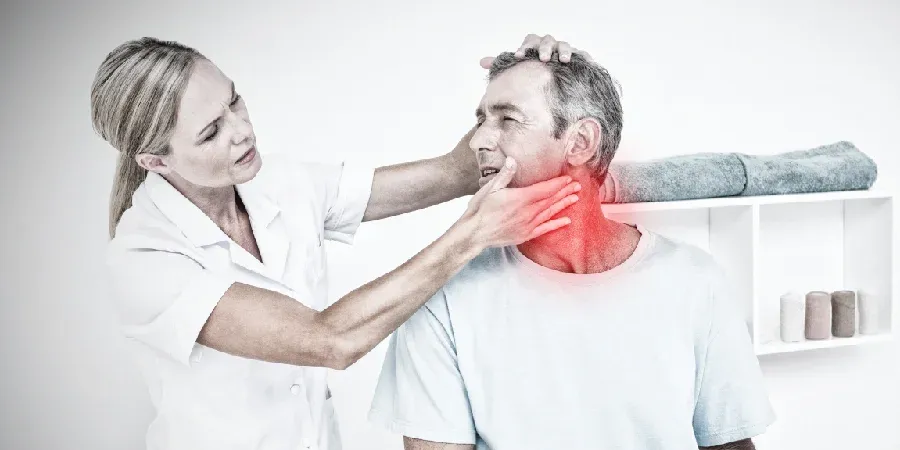
The Science Behind Stress and TMJ Disorders
The connection between jaw pain and mental health is not merely anecdotal. Research indicates that the nervous system links stress and TMJ. Emotional stress may result in uncontrolled clenching of the jaw and more muscle tension, which causes inflammation of the joint.
Anxiety disorder patients are especially vulnerable because increased cortisol levels may make their symptoms worse. Moreover, prolonged stress can aggravate bruxism, and it forms a loop that the strain of the jaw can lead to headache, facial pain and even the loss of teeth. The awareness of the impact of stress on TMJ will enable patients to pursue options to improve the symptoms without compromising oral health.
Common Symptoms of Stress-Induced TMJ Pain
Patients with stress-related TMJ problems are likely to have pain in the jaw, popping, or clicking in the joints, and pain in opening the mouth. These symptoms are often accompanied by tension headaches and facial pain, and this is an indication that the functioning of the jaw is affected by emotional stress.
Others are heightening muscle spasms around the mouth, clenching at least in sleep, and sensitivity of teeth. Such symptoms of TMJ stress are expected to be sensitized so that the patients take early preventive action and meet with an orthodontist to receive preventive advice.
Steps to Reduce TMJ Pain From Stress
Reducing stress-induced TMJ discomfort involves both lifestyle and professional interventions. The cortisol levels could be reduced through relaxation methods, mindfulness training, and frequent breaks after intensive work, which will decrease jaw clenching and tension headaches.
Exercises of jaw and physical therapy can help to increase flexibility and release tight muscles. Custom night guards can also be prescribed by orthodontists to patients who are likely to do bruxism and reduce the harm of teeth grinding but at the same time deal with the triggers of stress and avoid their recurrence.
Professional Management and Orthodontic Support
Patients with long-term stress and TMJ symptoms need the consultation of an orthodontist. A professional examination is conducted to check whether the jaw is straight or not, whether there are bite patterns or not, and the presence of a strained muscle, to identify the most effective method of treatment.
The interventions can involve occlusal therapy, bite splints, or specific exercises to treat the pain. Mental health and dental care coordination can help patients with anxiety jaw pain to get full-fledged care, and this can lead to the minimization of long-term complications.
Frequent monitoring and follow-ups can be used to monitor progress. Orthodontists offer suggestions to avoid the deterioration of the symptoms as well as to promote the general health of the jaw.
This is a combined method of dealing with physical and emotional factors that cause TMJ pain. Temporary bite guards or stress management exercises are a short-term strategy that supplements long-term solutions. The support of the professionals and the involvement of the patients increase the recovery and decrease the recurrence of the symptoms.

Lifestyle Changes to Protect Your Jaw
Lifestyle habits play a crucial role in managing TMJ stress symptoms. To decrease the stress in the temporary mandibular joint, it is necessary to avoid hard foods, use techniques of jaw relaxation, and practice proper posture. Stress hormones and jaw clenching can be reduced by adding stress reduction activities such as meditation or yoga on a daily basis. Sleeping and hydration also promote relaxation of muscles and general oral health.
The control of gum chewing, conscious jaw movements, and regular orthodontic control are some of the preventative measures, which enable patients to actively manage the TMJ and mental health association. Prevention of chronic discomfort and preservation of oral functioning are mainly dependent on early intervention.
New Trends in TMJ Stress Management
The recent studies and technologies have made the treatment of TMJ disorders related to stress easier to manage. Orthodontists can use digital bite analysis, custom 3D-printed splints, and real-time monitoring tools to ensure that the treatment plan suits the patient in the most accurate way feasible.
The appointments will assist the patients in identifying triggers, monitoring symptoms, and adopting strategies to reduce anxiety of jaw pain. The inclusion of mental awareness in dental care improves the overall treatment outcomes. The effect of stress on TMJ functioning can be minimized by using lifestyle changes and professional interventions, as well as TMJ orthodontic technology.
When to Consult an Orthodontist
If stress or anxiety contributes to ongoing jaw pain, it is important to schedule a professional consultation. Early diagnosis helps avoid persistent pain as well as complications of teeth, muscles, and joints. The orthodontist can assess the alignment, bite, and muscular tension, thus offering recommendations on how to minimize the pain without compromising the oral functioning. Prompt intervention means that the anxiety worsens, TMJ concerns will be managed before they deteriorate to make living and comforting easier.
Conclusion:
Stress and anxiety can significantly impact jaw health, leading to TMJ stress symptoms such as jaw pain, muscle tension, and headaches. Understanding the connection between mental health and TMJ allows patients to implement preventive and therapeutic strategies effectively.
At Danville Orthodontics, Dr. Hoss Abar and the team provide compassionate care for patients experiencing anxiety, jaw pain, and stress-related TMJ issues. Early consultation, professional guidance, and lifestyle adjustments can help protect your jaw function and overall well-being. Schedule an appointment today for expert support.
Resource:
Orthodontic Treatment for Athletes: Tips for Protecting Your Smile
Neither this nor any other content in this media is meant to prescribe, recommend, or prevent any treatment or procedure. We highly suggest that you get the advice of a qualified dentist or other medical practitioners regarding your specific dental condition.
Related Articles
TMJ Affects Your Daily Life Pain Sleep and Stress
TMJ (Temporomandibular Joint) is the hinge joint that connects your lower jaw to your skull, allowing you to open and close your mouth, chew, and speak.
TMJ vs. Other Jaw Problems: How to Tell the Difference
Not all jaw pain is TMJ. Learn how to distinguish temporomandibular joint disorder from dental, sinus, or wisdom tooth issues, so you can get the right diagnosis and relief.
What Causes TMJ Disorder? Top Triggers Explained
TMJ disorder affects the temporomandibular joint, the hinge that connects the jawbone to the skull and allows movement when talking, chewing, and yawning.