
What Causes TMJ Disorder? Top Triggers Explained
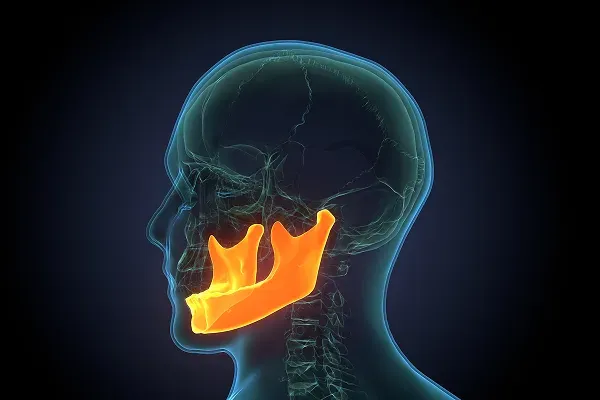
TMJ disorder affects the temporomandibular joint, the hinge that connects the jawbone to the skull and allows movement when talking, chewing, and yawning. When this joint or the muscles around it become strained, inflamed, or misaligned, it can lead to discomfort, stiffness, and limited jaw motion. Understanding the causes of TMJ disorder is key to identifying triggers early and preventing long-term pain or damage.
Understanding the Temporomandibular Joint
The temporomandibular joint is a complex structure that combines bone, cartilage, muscles, and ligaments to coordinate smooth jaw movement. Because it performs thousands of movements daily, even small imbalances can cause irritation or inflammation. When the joint is overused or subjected to abnormal pressure, it may begin to click, lock, or ache, leading to what’s commonly known as TMJ disorder.
People often start searching “why do I have TMJ” or “reasons for jaw pain” after noticing tightness, headaches, or ear discomfort. While symptoms vary, the underlying causes often come down to mechanical strain, joint inflammation, or behavioral habits that overload the joint.
Teeth Grinding and Jaw Clenching
One of the most common TMJ disorder triggers is bruxism, the habitual teeth grinding or jaw clenching that usually happens during sleep or times of stress. These repetitive motions put immense pressure on the joint and the surrounding muscles, leading to fatigue and inflammation.
Over time, bruxism can wear down teeth and alter bite alignment, further increasing joint tension. Many people with this habit are unaware of it until their orthodontist or dentist identifies signs such as enamel wear or muscle tenderness.
Stress and Emotional Tension
Stress is a leading factor in TMJ contributing causes. When someone experiences anxiety or emotional tension, they may unconsciously clench their jaws or press their teeth together. This subtle but constant strain can irritate the temporomandibular joint, causing soreness and headaches.
Chronic stress also affects muscle tone, making the jaw muscles tighter and less flexible. Understanding the TMJ stress connection helps patients realize how emotional wellness directly influences joint health.
Arthritis and Degenerative Conditions
Arthritis is another significant cause of TMJ disorder. Both osteoarthritis and rheumatoid arthritis can affect the jaw joint, damaging the cartilage that cushions movement. When the protective cartilage wears away, bone surfaces may rub together, leading to stiffness, inflammation, and pain.
In these cases, jaw pain causes are not related to mechanical habits but rather to chronic joint degeneration. Monitoring structural integrity through regular dental or medical exams can help prevent the condition from worsening.
Jaw Trauma and Injury
Direct injury or jaw trauma is another frequent reason behind TMJ disorder. Accidents, sports impacts, or even sudden whiplash can misalign the joint or strain the surrounding ligaments. While pain may not appear immediately, subtle damage can develop into long-term dysfunction.
If the temporomandibular joint heals improperly after trauma, patients may experience clicking, popping, or restricted movement. Understanding TMJ triggers explained through proper evaluation helps restore joint balance before permanent issues develop.
Dental Misalignment and Bite Problems
Improper dental alignment is one of the lesser-known but major TMJ disorder triggers. When upper and lower teeth do not meet evenly, the jaw must compensate during chewing and speaking. This constant imbalance forces the muscles and ligaments around the temporomandibular joint to overwork.
An orthodontist can identify whether dental misalignment or bite irregularities are contributing to TMJ pain. Correcting alignment can reduce muscle strain and restore natural joint motion, addressing one of the root mechanical causes of TMJ disorder.
Hormonal and Biological Factors
Research suggests that biological factors, especially hormones, may influence TMJ disorder development. Women are statistically more likely to experience TMJ pain, possibly due to hormonal effects on joint tissue elasticity.
Additionally, variations in bone shape, muscle tone, and connective tissue strength may make some people more prone to temporomandibular joint inflammation. These natural differences highlight that not all TMJ contributing factors are behavioural; some are structural.
Lifestyle Habits and Posture
Daily habits such as chewing gum excessively, biting nails, or leaning on one side of the jaw can worsen TMJ pain. Poor posture, especially when using phones or computers, can also strain neck and facial muscles, indirectly affecting jaw balance.
Recognizing and modifying these habits helps reduce unnecessary joint pressure and can improve comfort over time.
Connection Between Stress and Physical Symptoms
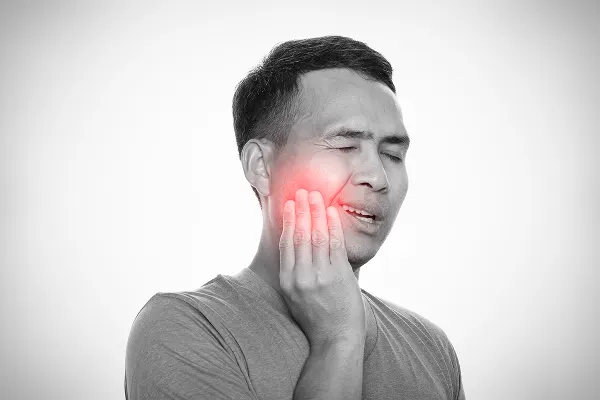
Many people wonder, “Why do I have TMJ pain if I haven’t injured my jaw?” The answer often lies in how the body stores stress. When under emotional or physical tension, jaw muscles tighten instinctively. Over days or weeks, this continuous contraction fatigues the temporomandibular joint and surrounding tissues, causing dull aches or sharp pain during movement.
Learning to identify this connection helps manage TMJ disorder triggers before they escalate into chronic pain.
FAQs
1. What causes TMJ disorder the most?
The most common cause is teeth grinding or jaw clenching, which puts constant stress on the temporomandibular joint. Other major factors include arthritis, stress, and jaw injury.
2. Can stress really cause TMJ pain?
Yes. Emotional tension often leads to involuntary muscle tightening in the jaw. Over time, this stress-related habit can result in TMJ disorder symptoms such as stiffness, soreness, or headaches.
3. Is arthritis linked to TMJ disorder?
Absolutely. Both osteoarthritis and rheumatoid arthritis can damage the cartilage within the temporomandibular joint, leading to reduced flexibility and pain during movement.
4. Can bad posture affect the TMJ?
Poor posture, especially forward head position from computer use, can strain neck and facial muscles, indirectly increasing tension in the temporomandibular joint and worsening symptoms.
5. Why does my jaw hurt when I chew or yawn?
Pain during chewing or yawning often indicates joint inflammation or muscle fatigue caused by TMJ disorder triggers like clenching, misalignment, or overuse of the joint.
Conclusion
The common causes of TMJ disorder include teeth grinding, jaw clenching, stress, arthritis, jaw trauma, and dental misalignment. Each of these TMJ disorder triggers affects how the temporomandibular joint functions, sometimes leading to long-lasting pain or restricted movement.
If you’re experiencing jaw pain, clicking sounds, or difficulty opening your mouth, it’s important to seek an evaluation from a dental professional. Whether you are exploring care for TMJ disorder in Danville or simply learning about the TMJ triggers explained, a consultation can help identify what’s causing your discomfort and how to address it effectively.
By taking early action, you can protect your jaw health, reduce discomfort, and restore comfortable movement. Addressing the underlying causes of TMJ disorder with professional guidance ensures long-term comfort and healthier daily function.
Resource:
Related Articles
Restorative Dentistry
How TMJ Disorder Affects Your Oral Health: Causes, Symptoms, and Treatment Options?
TMJ disorder is a condition that affects the temporomandibular joint, which connects the jawbone to the skull.

Can Stress and Anxiety Make TMJ Worse?
Stress and anxiety can worsen TMJ symptoms by increasing jaw tension and clenching, making early awareness and professional care essential for lasting relief and jaw health.
TMJ vs. Other Jaw Problems: How to Tell the Difference
Not all jaw pain is TMJ. Learn how to distinguish temporomandibular joint disorder from dental, sinus, or wisdom tooth issues, so you can get the right diagnosis and relief.