TMJ vs. Other Jaw Problems: How to Tell the Difference
Introduction: Is My Jaw Pain TMJ or Another Problem?
Jaw discomfort can be confusing. One day you wake up with stiffness, the next you notice a click or mild ache near your ear. Naturally, your first thought might be — is my jaw pain TMJ? However, not every case of jaw pain is a temporomandibular joint disorder. The jaw is a complex system of muscles, bones, and ligaments, and pain can originate from several areas, including dental infections, wisdom teeth, sinus congestion, or even stress-related muscle strain. Understanding the difference between TMJ and jaw problems is essential for proper diagnosis and effective treatment. Many people end up facing TMJ misdiagnosis because symptoms of other conditions can appear very similar. This guide will help you understand how to tell if it’s TMJ or another issue, and when you should see a professional for a clear diagnosis.
Understanding the Temporomandibular Joint (TMJ)
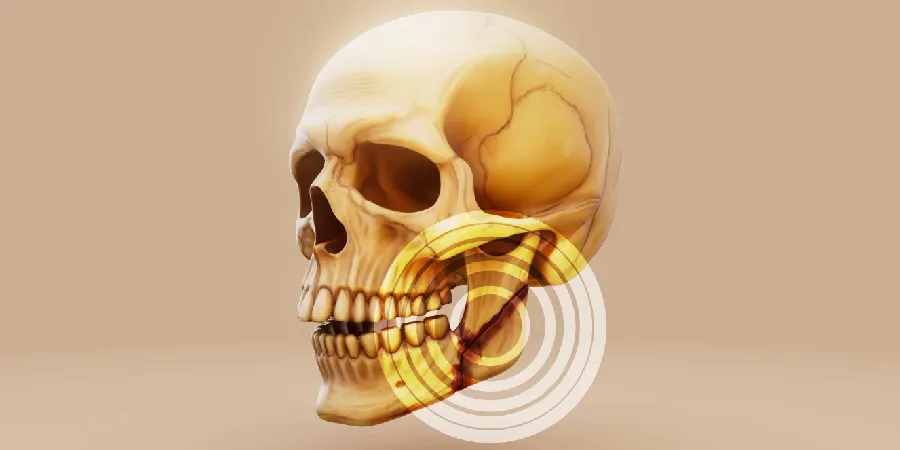
The temporomandibular joint connects your jawbone to your skull and allows movements like speaking, chewing, and yawning. When this joint or the surrounding jaw muscles become strained or inflamed, the result is commonly referred to as TMJ disorder, or TMD. Unlike general jaw pain, which may involve teeth or soft tissue, TMJ disorder specifically affects the joint itself.
The temporomandibular joint works like a sliding hinge, combining hinge motion with smooth gliding. This dual function makes it one of the most active joints in the body but also one of the most susceptible to stress and misalignment. Clenching, grinding, poor posture, jaw injury, or arthritis can all contribute to a TMJ or jaw issue. While occasional tension may cause temporary discomfort, chronic or worsening symptoms often point to an underlying disorder that requires medical evaluation.
TMJ vs Jaw Pain: Understanding the Difference
Distinguishing TMJ disorder from general jaw pain can be challenging because the symptoms often overlap. However, there are subtle differences that can help you identify the root cause. TMJ pain typically worsens with movement such as talking, chewing, or yawning. It may be accompanied by a clicking or popping sound near the ear, jaw locking, or discomfort when opening or closing your mouth. Headaches and soreness around the temples or neck muscles may also occur due to strain on surrounding areas.
On the other hand, jaw pain not related to the temporomandibular joint may feel sharper and more localized. It can come from a dental abscess, infected tooth, sinus congestion, or even a jaw fracture. These conditions often have distinct signs such as swelling, tenderness in specific spots, or visible inflammation. The difference between TMJ and other jaw pain lies in how the discomfort behaves: TMJ tends to fluctuate with jaw movement, while dental or sinus-related pain remains constant and focused.
Common Jaw Problems Often Mistaken for TMJ
Not all jaw pain stems from a joint disorder. In many cases, what feels like TMJ pain actually arises from other oral or facial issues. One common example is a dental abscess, which occurs when bacteria infect the tooth’s root or surrounding gums. The resulting pain can radiate across the jaw or ear, making it easy to confuse with TMJ. However, abscess-related pain usually worsens when biting or chewing and may come with swelling or fever.
Another frequent cause is wisdom teeth pain. When wisdom teeth begin to erupt, they can press against nearby structures, leading to stiffness and soreness that mimic joint problems. The key difference is that TMJ-related discomfort often involves the joint itself and produces clicking or locking, while wisdom teeth pain tends to remain localized in the back of the mouth.
Sinus pain is another common source of confusion. Blocked sinuses can create pressure in the upper jaw, cheeks, and around the eyes. Many people mistake this dull ache for TMJ because it can spread across the same areas. However, sinus-related pain typically worsens when bending forward or during allergy flare-ups.
A jaw fracture can also present with pain, limited movement, and swelling, closely resembling severe TMJ disorder. The difference lies in the history of trauma, visible bruising, and misalignment of the teeth or bite. Because these symptoms can overlap, professional evaluation is crucial to avoid TMJ misdiagnosis.
How Dentists Diagnose TMJ or Jaw Issues
Determining whether your jaw pain is TMJ or another problem requires a thorough examination. Dentists, orthodontists, and oral surgeons play a vital role in this process. A professional will first take your medical and dental history to understand when the pain began, what triggers it, and whether it worsens with movement. They will then examine the joint, listening for clicking or popping sounds, testing your range of motion, and checking the tenderness of the jaw muscles.
If TMJ disorder is suspected, imaging tests such as panoramic X-rays or MRI scans may be recommended. These help detect bone irregularities, disc displacement, or inflammation inside the joint. In cases where pain appears more dental or sinus-related, your dentist may refer you to an oral surgeon or ENT specialist for further evaluation. This multidisciplinary approach ensures accurate jaw pain diagnosis and reduces the risk of treating the wrong condition.
Signs That Suggest TMJ Instead of Another Issue
Knowing how to tell if it’s TMJ can make a big difference in seeking timely treatment. If you experience pain that increases when you chew or talk, hear clicking or popping sounds near your ear, or feel stiffness after waking up, TMJ disorder may be the cause. Many people also report that the jaw occasionally locks or shifts to one side when opening wide. The pain may radiate to the temples or neck, suggesting muscle involvement around the joint.
By contrast, if your pain is constant, concentrated in one tooth, or accompanied by swelling or fever, it is more likely related to a dental abscess or infection. Likewise, if you experience nasal congestion, pressure in the cheekbones, or pain that worsens during a cold, sinus pain may be the source. Identifying these distinctions early can prevent unnecessary procedures and help you receive the right care.

Preventing Jaw Pain and TMJ Flare-Ups
Whether your issue is TMJ or another form of jaw discomfort, preventive care can reduce symptoms and protect your joint. Maintaining good posture while working or using mobile devices prevents unnecessary strain on the jaw muscles. Managing stress through relaxation or breathing exercises can also minimize teeth clenching and grinding. Eating soft foods, avoiding gum chewing, and applying warm compresses can soothe muscle tension and inflammation.
Nighttime mouthguards are often recommended for those who grind their teeth, as they protect both the teeth and temporomandibular joint. Regular dental checkups also help detect early signs of bite misalignment, tooth decay, or gum infections that may contribute to jaw problems. Early attention prevents minor discomfort from becoming a chronic disorder.
Final Thoughts: Understanding TMJ vs Jaw Pain
Distinguishing TMJ from other jaw problems takes careful observation and professional input. While TMJ disorder affects the joint and surrounding muscles, other jaw conditions such as sinus pain, wisdom teeth pain, or dental abscesses can mimic its symptoms. The safest approach is to consult a qualified dentist or oral specialist for an accurate jaw pain diagnosis. If your pain worsens with jaw movement, involves jaw locking or clicking, and improves with rest, TMJ is a likely cause. However, swelling, infection, or sharp localized pain often indicate another issue. Understanding the difference between TMJ and jaw problems allows you to take the right steps toward relief and avoid TMJ misdiagnosis.
Resource:
Orthodontic Treatment for Athletes: Tips for Protecting Your Smile
*Neither this nor any other content in this media is meant to prescribe, recommend, or prevent any treatment or procedure. We highly suggest that you get the advice of a qualified dentist or other medical practitioners regarding your specific dental condition.
Related Articles

Surgical Dentistry
When Jaw Alignment Problems Need Surgical Orthodontics
Learn when jaw alignment problems may require surgical orthodontics, including underbites, overbites, facial asymmetry, open bites, and skeletal jaw issues.

General Dentistry
TMJ Diet: Foods that Help or Hinder Jaw Health
To keep your TMJ happy, avoid chewy and sticky treats, hard snacks, too much gum, and drinks with lots of caffeine.

Surgical Dentistry
Preparing for Jaw Surgery: Surgical Orthodontics Checklist
Prepare for jaw surgery with a clear surgical orthodontics checklist. Learn what to discuss before orthognathic surgery, from records to recovery planning.